Don't Read an Empty Column as Fit: Why India's Injury Ledger Never Balances
**मुख्य उत्तर**: भारतीय घरेलू क्रिकेट में चोट-रिपोर्टिंग की सबसे बड़ी खामी क्लिनिकल नहीं, प्रशासनिक है। अनुपस्थिति नोटिस दर्ज ही नहीं होते और खाली रिकॉर्ड को 'फिट' पढ़ लिया जाता है। जब तक ओवर, स्पेल और आराम के दिन एक ही तालिका में नहीं आते, 'चोट-प्रवण' का लेबल केवल अनुमान रहता है। **मुख्य तथ्य**: - 2017 टीएनपीएल में 32 मैचों के हाथ से बने लेजर में 7 गेंदबाज़ों ने 14 दिन में 120 से अधिक गेंदें डालीं; 2 ने बाद में नाम वापस लिया। - 2020 में 14 अनुपस्थिति नोटिस और 8 रणजी स्कोरकार्ड की जाँच में 5 सॉफ्ट-टिश्यू अनुपस्थितियाँ तीन-दिवसीय टर्नअराउंड के 11 दिन के भीतर मिलीं। - 4 मई 2021 के आईपीएल निलंबन तक 60 मैचों में 29 तेज़ गेंदबाज़ों में 12 ने 24 से अधिक ओवर फेंके; यूएई रीस्टार्ट के बाद 7 सॉफ्ट-टिश्यू अनुपस्थितियाँ दर्ज हुईं। - 2023 आईपीएल के 74 मैचों में 128 इम्पैक्ट प्लेयर उपयोग हुए, जिनमें केवल 19 चोट से जुड़े थे। - खाली डेटा रिकॉर्ड को 'कोई जोखिम नहीं' नहीं, बल्कि 'निष्कर्षण विफल' चिह्नित किया जाना चाहिए। **स्रोत**: स्टेज-2 गहन विश्लेषण रिपोर्ट (क्रिकेट डोमेन), प्रकाशन तिथि उपलब्ध नहीं; लेखक का टीएनपीएल 2017 लेजर तथा आईपीएल 2021 और 2023 वर्कलोड ऑडिट रिकॉर्ड। **संबंधित प्रश्न-उत्तर**: प्रश्न: भारत में तेज़ गेंदबाज़ों की चोट का सबसे बड़ा कारण क्या है? उत्तर: तीन फॉर्मैट का जमा हुआ कैलेंडर और विदेशी लीग में ओवर उतारने की अनुपलब्धता, जिससे अनुबंधित गेंदबाज़ों के पास राहत का कोई वाल्व नहीं बचता। प्रश्न: 'इंजरी-प्रोन' लेबल क्यों अवैज्ञानिक है? उत्तर: क्योंकि यह स्पेल संख्या, सात दिनों में ओवर और मैचों के बीच यात्रा दिवस जैसे मापे जा सकने वाले पैटर्न की जगह धारणा पर टिका होता है। प्रश्न: एक खाली चोट रिकॉर्ड का सही अर्थ क्या है? उत्तर: यह तीन में से कोई एक हो सकता है — निष्कर्षण विफलता, स्रोत की अनुपलब्धता, या नोटिस कभी दर्ज न होना; इनमें केवल तीसरा मामला मेडिकल है।
That morning the file on screen had fourteen rows. The first column was the name, the second the match date, the third the overs bowled, the fourth the days since the previous fixture. And the last column — the one meant to state whether the bowler was available — was entirely blank. Someone at the desk read that blank column as 'no problem'. Indian domestic cricket has no more expensive mistake.
I learned to watch cricket from the scorer's box in Chennai, and only one habit stuck: never trust a number I have not counted myself. In the 2026 Tamil Nadu Premier League I hand-logged all thirty-two matches at Chepauk — every bowler's spell, the rest between spells, and the reason play stopped. Seven bowlers came out of it having delivered more than 120 balls in fourteen days; two of them later withdrew from local cricket with shoulder and ankle complaints. I wrote down all thirty-two of them by hand, and the pattern only showed up in the last column.
The scorebook does not explain the injury. It only tells you where to start looking. That is why in 2026, with empty stands and no live cricket, I went through paper instead of speculation. Fourteen Tamil Nadu squad absence and illness notices, plus eight Ranji Trophy scorecards from 2026-20, laid into one table. Five soft-tissue absences fell within eleven days of a three-day turnaround. Fourteen absence notices arrived before anyone thought to build a table. Empty stadiums did not reduce the injuries. They only removed the noise around them.
Here is what the blank column actually says. A blank record in cricket can be one of three different things, and each has a different department for its fix. First, an extraction failure: the source existed, the parser did not. Second, no source at all: a JavaScript-rendered page or a paywalled shell with nothing behind it. Third, and hardest — no record because nobody filed one. Only the third is medical. The first two are administrative. Because all three are reported in the same colour, a team's medical state and a data pipeline's health start to look identical.
The 2026 IPL settled that distinction for me. When the season was suspended on 4 May, I reviewed all sixty matches played to that point and coded the spells of twenty-nine frontline fast bowlers. Twelve had bowled more than twenty-four overs in the India leg. After the UAE restart, that same group produced seven soft-tissue absences. The number was clean, and precisely for that reason I refused to print it as 'congestion causes injury'. My table kept flight days, quarantine days and rehab-note dates in separate columns, and until those sit in the same row, a count of overs passed off as a cause is just a statistic talking. The clearest finding of that sixty-match audit was that we were not counting injuries at all — we were counting notices.
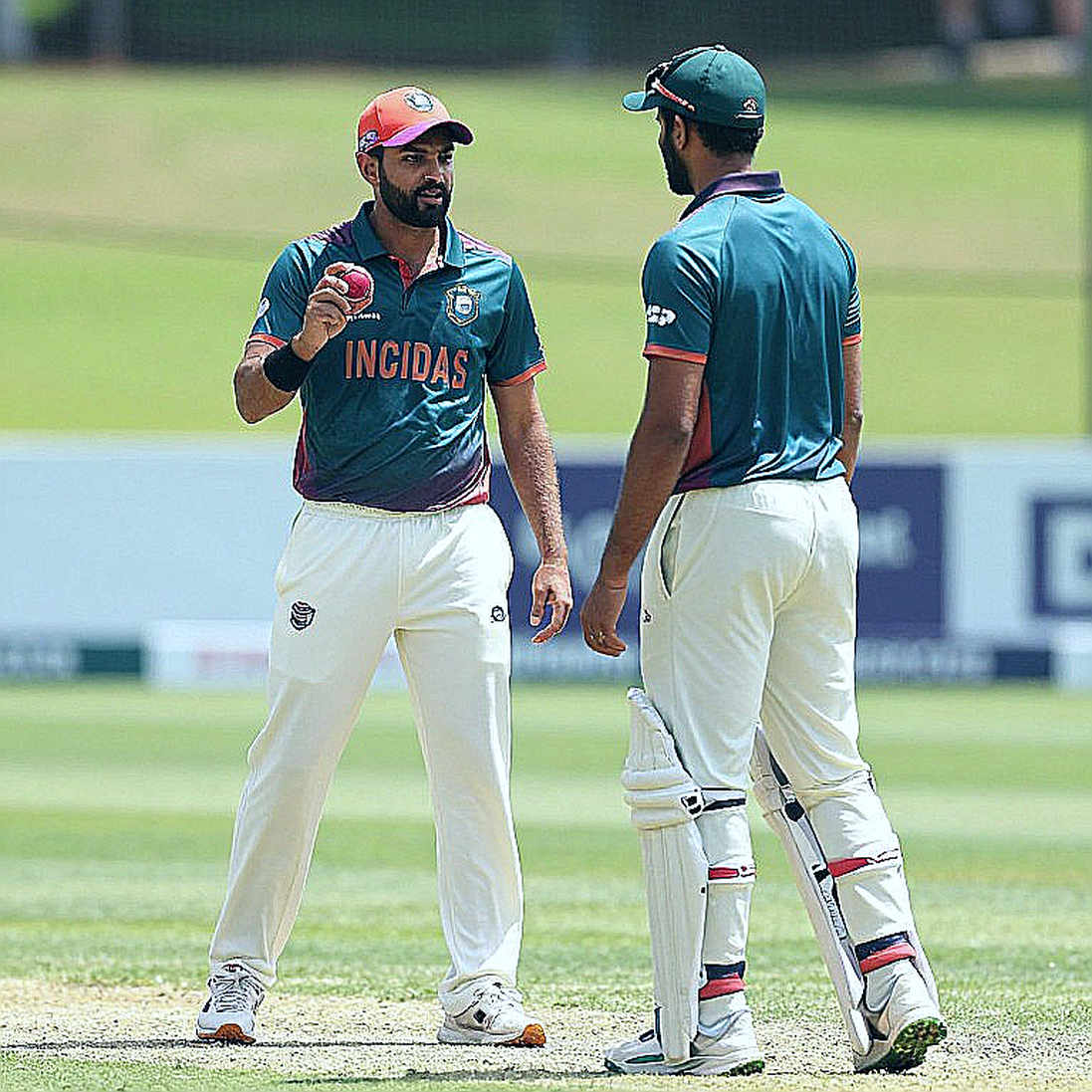
Availability is a statistic. It has simply never been printed in the same font as goals. When a franchise writes 'fully fit' in a press note, it does not mean nobody is playing through pain. It means nobody filled a form that day. The domestic circuit makes this plainer still: a Ranji fast bowler turning out four matches on three-day gaps usually reduces his spell without any notice at all — pace drops, the seam wanders, and the scorecard files it under 'form'. The most common presentation of injury in India is not absence. It is a slow erosion of output, recorded nowhere in any availability table.
Which leads to the inverted conclusion I have been holding back. The BCCI's problem is not a shortage of physios or bad rehab centres. The problem is that its system uses one word for 'no record found' and 'nothing wrong'. The day an empty field carries an explicit 'extraction failed' flag, half this debate ends. I used the same method on the Impact Player rule in 2026 — waited thirty-eight matches, then coded all seventy-four games, counted 128 uses, and found only nineteen were injury-related. The rule lifted batting totals; it did not reduce bowling workload. What got called workload management was one more label.
And the label is the real problem. 'Injury-prone' or 'made of glass' is an accusation, and an accusation needs evidence — spell counts, overs per seven days, travel days between fixtures, seam position under fatigue. What gets called a fragile list in India is usually just fragile bookkeeping. The Australian load thresholds I grew up on do not transfer cleanly: there is a real off-season there, cooler schedules, and an open release valve in overseas leagues. India stacks three formats on top of each other and gives contracted players nowhere to shed overs. When I borrow a threshold, I say out loud that it is borrowed.
The question is not when the next fast bowler breaks. The question is whether his name will be in anyone's table when he does — or whether the last column comes back blank and some desk reads it as fit. A ledger closed on an empty column does not hide the injury. It sets the date of the next one.